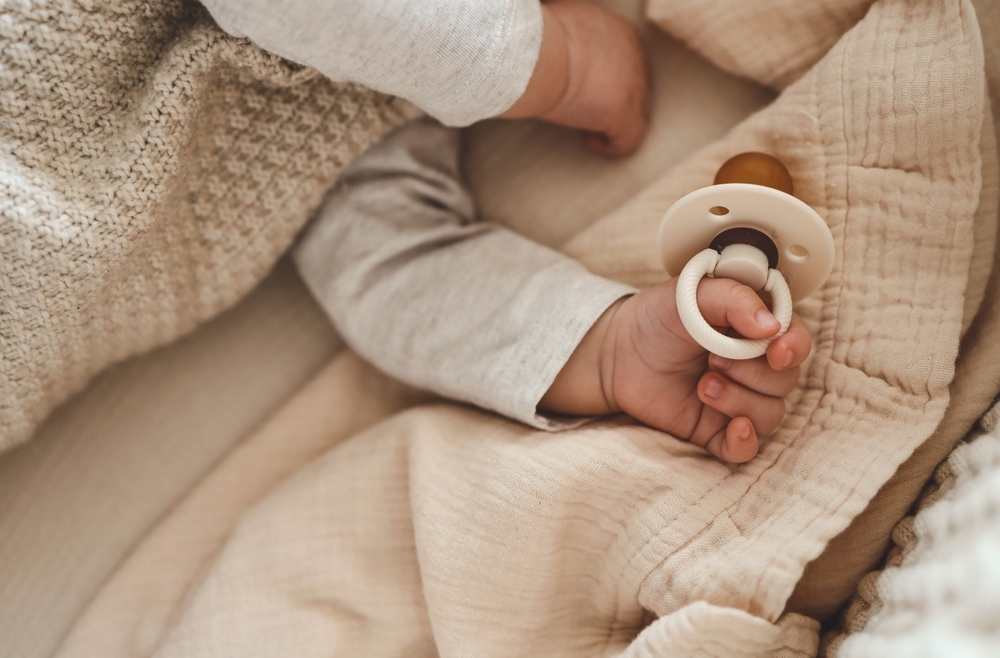
Pacifiers can be an incredibly useful tool during the newborn stage. They can help soothe a baby, satisfy the natural need to suck, support settling, and even help extend sleep when used appropriately.
But there is a difference between a baby who uses a pacifier and a baby who depends on one.
At Sleeping Beauties, we don’t believe the goal is to avoid pacifiers altogether. Instead, we focus on using them intentionally so families can benefit from them without creating a sleep association that eventually requires a parent or caregiver to replace the pacifier repeatedly throughout the night.
The difference is often in how the pacifier is used. It’s how, when, and why it is used.
When Can You Introduce a Pacifier?
Pacifiers can be introduced during the newborn stage. However, feeding should always remain the priority.
A newborn has a strong natural sucking reflex, so wanting to suck does not necessarily mean a baby is still hungry. Once a baby has been properly fed, burped, and is otherwise comfortable, a pacifier can be an effective soothing tool.
For breastfeeding families, pacifier introduction can sometimes feel controversial because of concerns surrounding nipple confusion. Every baby and every feeding journey is different, so breastfeeding progress, latch, milk transfer, and weight gain should always be considered.
From our practical experience, pacifier selection matters too.
We generally recommend choosing a pacifier with a rounder nipple shape that resembles the shape the baby is already accustomed to at the breast or bottle. If a baby is primarily bottle fed, consider the nipple shape of the bottle they use successfully. For breastfeeding babies, look for a shape that more closely resembles the natural nipple rather than automatically choosing a very flat pacifier.
And if a newborn spits the pacifier out, that does not necessarily mean they dislike it. Newborns are still developing the coordination needed to suck effectively and keep a pacifier in their mouth.
Pacifier or Hunger? Know the Difference
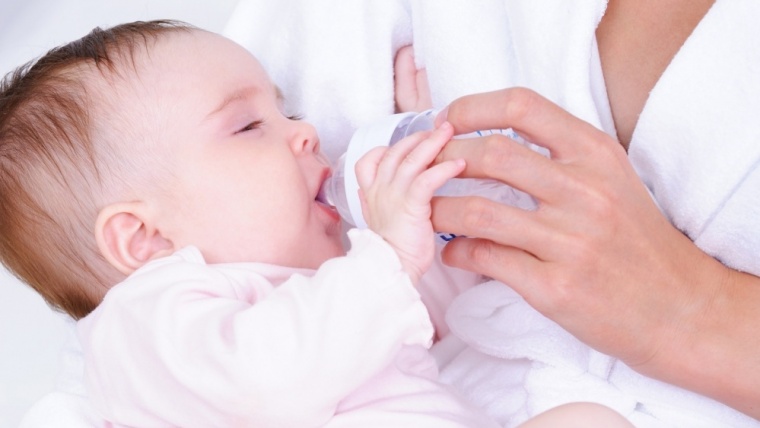
A pacifier should never be used to mask genuine hunger.
Before offering one, consider when your baby last ate, how much they consumed, whether the feeding was effective, and whether they are showing hunger cues.
This becomes especially important when families are working toward longer stretches of sleep at night. A baby needs sufficient nutrition throughout the full 24 hour period before nighttime feeds can appropriately begin to stretch.
The goal isn’t to use a pacifier to make a hungry baby wait for food. It is to recognize when a baby has been adequately fed and simply needs help settling.
The Sleeping Beauties Approach: Use It With Purpose
Our philosophy is simple. Pacifiers are most beneficial when they have a purpose.
We don’t recommend keeping a pacifier in a baby’s mouth throughout playtime or automatically offering it every time the baby makes a sound. Babies need opportunities to communicate, engage, explore, and gradually develop other ways of settling.
The same applies at bedtime and overnight. A pacifier can be offered to help a baby settle or, when appropriate, to help extend a sleep stretch. But once it falls out after the baby is asleep, it does not automatically need to be replaced.
This is one of the simplest ways to help prevent occasional pacifier use from becoming a dependency. Sleeping Beauties Newborn Care Agency looks at the entire routine and at any dependencies on pacifiers with our newborn care specialists in NYC and the areas we serve.
When Pacifier Use Becomes Pacifier Dependency
One of the most common issues we see is not simply that a baby uses a pacifier. It is that the baby cannot remain asleep without it.
Baby falls asleep. The pacifier falls out. Baby wakes. A parent or caregiver replaces it. Baby falls back asleep. The pacifier falls out again, and the cycle continues.
At that point, the pacifier is no longer simply helping the baby settle. It has become something the baby needs in order to return to sleep.
A newborn needing help settling is completely expected. But as babies develop, we want to gradually give them opportunities to connect sleep cycles without requiring the exact same intervention every time they stir.
That is one reason we are intentional about pacifier use from the beginning.
A Baby Can Sleep Through the Night and Still Use a Pacifier
Sleeping through the night does not necessarily mean eliminating the pacifier.
A baby may use one when initially settling and stiAll sleep for long, healthy stretches without needing it repeatedly replaced. That is very different from a baby waking throughout the night because the pacifier has fallen out.
At Sleeping Beauties, our goal is not to remove every form of comfort from a baby. We look at whether something is supporting sleep or interfering with it.
If the pacifier helps your baby settle and your baby continues sleeping once it falls out, there may be no immediate reason to remove it. If someone is replacing it repeatedly throughout the night, however, it may be time to change how it is being used.
Don’t Replace One Dependency With Another
When reducing pacifier dependency, be careful not to unintentionally create a new sleep dependency in its place.
Removing the pacifier but replacing it with constant rocking, holding, bouncing, or another intervention every time the baby stirs does not necessarily address the underlying issue.
The goal is gradual progress toward needing less intervention as the baby becomes developmentally ready, not simply exchanging one sleep association for another.
That is why we look at the entire routine rather than focusing on one sleep tool.
The Routine Around the Pacifier Matters
Pacifier dependency rarely exists on its own.
Feeding, wake windows, naps, bedtime, daytime stimulation, sleep environment, and how a baby is put to sleep can all influence what happens overnight.
This is where our personalized Routine & Schedule System becomes especially important.
At Sleeping Beauties, we look at the baby’s complete 24 hour day, not simply what happens at bedtime. We consider daytime feeding and sleep, appropriate wake windows, naps, the evening routine, nighttime intake, and how the baby settles.
When the entire day is structured appropriately for the individual baby, parents are less likely to find themselves relying on a pacifier, or any single soothing method, to solve every sleep disruption.
The pacifier becomes one tool within a much larger system.
When Should You Start Transitioning Away?
There is no reason to suddenly take a pacifier away simply because your baby reaches a particular milestone. Instead, pay attention to the pattern.
As your baby develops, begin reducing unnecessary pacifier use. If it is being used throughout the day simply out of habit, start limiting it. If you are automatically replacing it overnight, gradually give your baby opportunities to settle without immediate replacement.
A gradual transition is often much easier than waiting until the pacifier has become deeply ingrained in every nap, bedtime, car ride, upset, and nighttime waking.
Why Waiting Too Long Can Make It Harder
This is something I understand not only professionally, but personally.
I’ve experienced what happens when pacifier use continues well into the toddler years. Once a child is two or three years old and emotionally attached to it, you are no longer simply changing a newborn sleep habit. You are working through an attachment to something that has become a significant source of comfort.
That experience reinforced something I now emphasize with families. You do not have to rush to remove a useful soothing tool, but you also do not want to wait until it has become so important to your child that transitioning away becomes unnecessarily difficult.
Using it intentionally from the beginning can make that eventual transition much easier.
The Bottom Line
Pacifiers are neither good nor bad. How they are used matters.
They can be wonderful tools for soothing, settling, and supporting sleep. The goal is to keep the pacifier working for your family rather than reaching a point where your family is working all night for the pacifier.
Use it purposefully. Make sure hunger is not being masked. Avoid unnecessary replacement. Pay attention to whether your baby can continue sleeping once it falls out. As your baby develops, gradually reduce reliance before it becomes a deeply established dependency.
Most importantly, look at the entire 24 hour picture.
At Sleeping Beauties, we believe healthy sleep is rarely about one trick, one product, or one technique. Feeding, routines, schedules, sleep environment, development, and the way a baby is supported all work together. Our personalized Routine & Schedule System is built around that philosophy, creating an approach based on the individual baby and giving families something sustainable long after our time together ends.
A pacifier can absolutely have a place in that picture. The key is making sure it remains a tool, not a requirement.
Ready for a Routine That Works Beyond Bedtime?
If your baby is waking repeatedly for the pacifier, struggling to connect sleep cycles, or you simply aren’t sure whether feeding, naps, wake windows, bedtime, or sleep associations are contributing to the problem, you don’t have to keep guessing.
Whether you need in-home newborn care or personalized guidance through our Routine & Schedule System, our goal is not simply to help your baby sleep better tonight. It is to give your family the structure, confidence, and tools to continue succeeding after our support ends.
Contact Sleeping Beauties today to learn more about our newborn care services and personalized Routine & Schedule System, and let’s create a routine designed to work for your baby and your family.